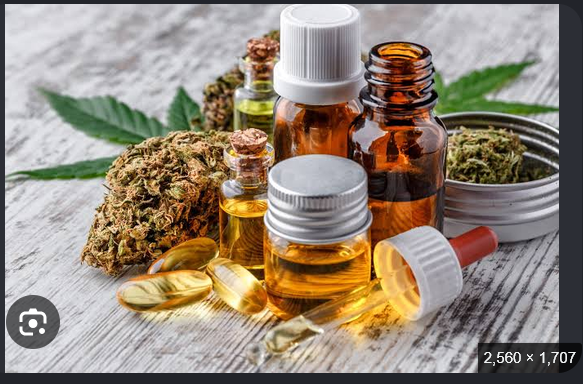
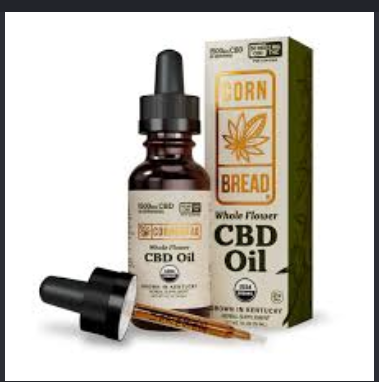
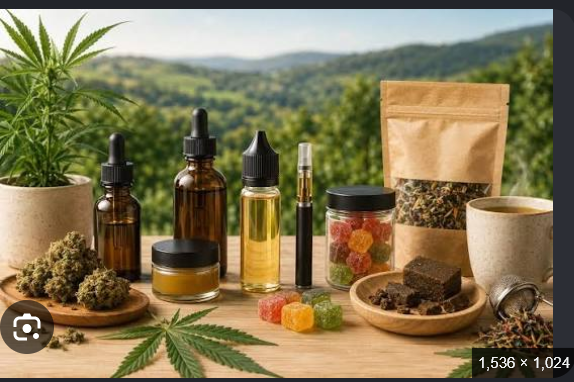
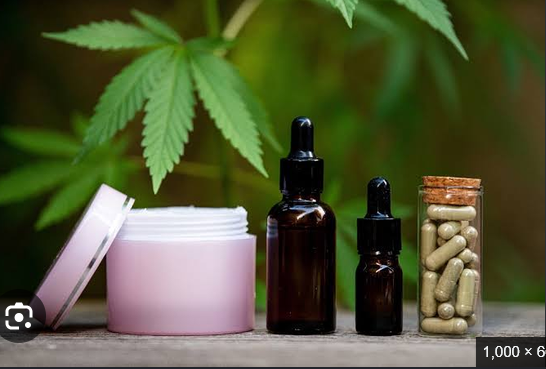
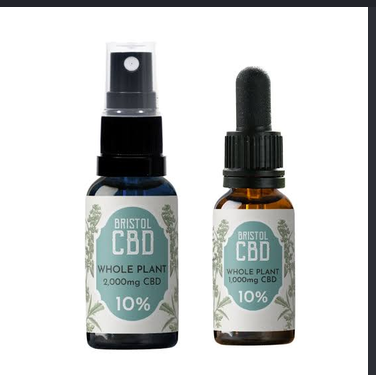
Packaging is an important part of the CBD industry because it protects products, communicates essential information and supports product identification. As cannabidiol products become more widely recognised, manufacturers are exploring packaging solutions that combine functionality, safety and professional presentation.
Why CBD Packaging Matters
CBD products are available in several forms, including oils, capsules, creams and cosmetic formulations.
Each product requires packaging suitable for its ingredients and intended storage conditions.
Good packaging can help protect products from light, moisture and contamination when properly designed.
Modern Packaging Materials
Manufacturers use different packaging materials depending on the product category.
Glass containers are commonly used for CBD oils because they provide a suitable barrier and can be manufactured in protective coloured finishes.
Plastic containers may be used for certain creams and lotions, while specialised packaging is available for capsules and other formulations.
Material selection should consider compatibility, product stability and applicable safety requirements.
Smart Labels and Digital Information
Digital packaging technology is creating new opportunities for product transparency.
QR codes can connect consumers with online information, including:
Product ingredient details.
Manufacturing information.
Batch identification.
Laboratory testing reports.
Storage recommendations.
The information should be accurate, current and connected to the correct product.
Sustainable Packaging Developments
Environmental awareness has encouraged manufacturers to explore recyclable and reusable packaging materials.
Some companies are also investigating ways to reduce unnecessary packaging and improve material efficiency.
However, sustainability should not compromise product protection or regulatory requirements.
Branding and Consumer Experience
Packaging also contributes to brand recognition.
Clear typography, accurate product descriptions and consistent visual design can help consumers understand the product.
However, attractive packaging should never replace transparent information or reliable quality testing.
Regulatory Considerations
CBD packaging must follow the relevant product labelling requirements.
Different rules may apply to foods, cosmetics and medicinal products.
Manufacturers should avoid unsupported health claims and ensure that required information is clearly presented.
Conclusion
Packaging innovation can help CBD manufacturers improve product protection, consumer information and environmental performance. By combining appropriate materials, accurate labelling and responsible branding, businesses can develop packaging solutions that support product quality and consumer confidence.
The CBD industry involves several interconnected activities, beginning with agricultural production and ending with finished consumer products. Understanding this supply chain helps explain how cannabidiol moves through different stages before reaching retailers and customers.
A transparent supply chain is also important for maintaining product quality and consumer confidence.
Understanding CBD Supply Chains
CBD supply chains include agricultural producers, processing facilities, manufacturers, testing laboratories, packaging companies and retailers.
Each participant has a specific role in ensuring that products meet appropriate quality and regulatory requirements.
Hemp Cultivation and Raw Materials
The supply chain begins with hemp cultivation.
Farmers select suitable plant varieties and manage growing conditions to produce the required agricultural material.
Plant genetics, soil conditions, harvesting practices and environmental factors can influence the quality of the harvested crop.
Processing and CBD Extraction
After harvesting, hemp material is transported to processing facilities.
Manufacturers extract CBD and other desired compounds using suitable industrial processes.
The resulting material may undergo purification and further processing before being incorporated into consumer products.
Manufacturing and Quality Control
Manufacturers use CBD extracts to create products such as oils, capsules, creams and cosmetic formulations.
Quality-control procedures are important throughout this stage.
Independent laboratory testing can help verify cannabinoid content and identify certain contaminants.
Packaging and Distribution
Finished products are packaged according to their intended use and applicable regulatory requirements.
Packaging should provide accurate information about ingredients, product contents and manufacturer details.
Products may then move through wholesalers, distributors and retailers before reaching consumers.
Why Supply Chain Transparency Matters
Transparency allows businesses to maintain better records and investigate potential quality problems.
Important practices include:
Tracking raw material sources.
Maintaining manufacturing records.
Conducting independent laboratory testing.
Recording product batch information.
Following relevant storage requirements.
These practices can support accountability throughout the supply chain.
Future Developments
Digital tracking systems, improved laboratory technology and more efficient logistics may help CBD manufacturers improve supply chain management.
Better traceability could also help consumers access more reliable product information.
Conclusion
CBD supply chains involve several important stages, from hemp cultivation to retail distribution. Responsible sourcing, reliable testing and transparent manufacturing are essential for maintaining quality and supporting consumer confidence in the developing CBD industry.
Modern lifestyles encourage people to explore different approaches to personal wellness. From maintaining balanced diets to developing consistent exercise habits, individuals are becoming more interested in products and practices that support their daily routines. One ingredient receiving attention is cannabidiol, commonly known as CBD.
CBD is a naturally occurring compound found in cannabis plants. It is widely used in different consumer products, including oils, capsules, creams and cosmetic formulations.
Understanding CBD in Everyday Life
CBD is different from THC, another cannabinoid associated with the intoxicating effects of cannabis. CBD does not generally produce those effects.
This distinction has contributed to the popularity of hemp-derived CBD products in several consumer markets.
However, CBD should not automatically be considered suitable for everyday use by everyone.
CBD and Modern Wellness Habits
Researchers are investigating how CBD interacts with biological systems involved in mood, sleep and pain perception.
Some people explore CBD because of its potential wellness applications. However, evidence supporting many everyday health claims remains limited.
Healthy routines should continue to focus on established habits such as regular physical activity, sufficient sleep and balanced nutrition.
Different CBD Product Formats
CBD is available in several forms, including:
CBD oils and tinctures.
CBD capsules and softgels.
CBD creams and balms.
CBD gummies.
CBD-based cosmetic products.
Each format has different characteristics, ingredients and potential risks.
Making Informed Product Choices
Consumers should research manufacturers and examine product labels before purchasing CBD products.
Independent laboratory testing can help verify cannabinoid content and identify certain contaminants.
It is also important to understand the legal status of CBD products in the relevant country.
Important Safety Information
CBD can cause side effects such as tiredness, diarrhoea and changes in appetite. It may also interact with certain prescription medicines.
People taking medication or managing medical conditions should consult a healthcare professional before considering CBD.
Conclusion
CBD has become part of modern wellness discussions, but its role in everyday routines requires careful consideration. Consumers should prioritise reliable information, product transparency and established healthy habits rather than relying on exaggerated marketing claims.
Agriculture continues to evolve as farmers explore new crops, technologies and commercial opportunities. One plant receiving increasing attention is hemp, which is cultivated for various industrial and agricultural purposes. Hemp is also an important source of cannabidiol, commonly known as CBD.
Understanding Hemp Cultivation
Hemp belongs to the cannabis plant family and is cultivated in different regions around the world. Depending on the variety, hemp can be used to produce fibres, seeds, oils and other materials.
Certain varieties are also cultivated for their cannabinoid content, including CBD.
Successful hemp cultivation depends on suitable soil conditions, climate, water availability and responsible agricultural management.
Why Are Farmers Interested in Hemp?
Hemp offers several commercial applications beyond CBD extraction.
Its fibres can be used in textiles, paper and construction materials, while its seeds are processed for food and industrial purposes where permitted.
This variety of applications creates opportunities for agricultural businesses looking to diversify their production.
Technology in Hemp Farming
Modern agricultural technology is helping farmers improve crop management.
Some important developments include:
Advanced irrigation systems.
Soil monitoring technology.
Improved agricultural machinery.
Crop quality assessment.
More efficient harvesting methods.
These developments can help improve resource management and agricultural productivity.
CBD Production and Agricultural Quality
The quality of hemp used for CBD production can influence the characteristics of the final extract.
Farmers and manufacturers must consider plant genetics, cultivation practices and harvesting conditions.
Appropriate testing also helps identify unwanted contaminants and establish cannabinoid content.
Challenges in Hemp Agriculture
Hemp farmers may face challenges involving changing regulations, market demand, processing facilities and agricultural investment.
CBD-related cultivation can also involve additional licensing and compliance requirements depending on the country.
Conclusion
Hemp agriculture offers opportunities across several industries, including textiles, construction and CBD manufacturing. With responsible farming practices, suitable technology and regulatory awareness, hemp may continue developing as an important commercial crop.
Article 27
Writing
CBD Packaging: Quality, Safety and Branding
Packaging plays an important role in the CBD industry. As cannabidiol products become more visible in consumer markets, manufacturers are paying greater attention to product presentation, safety information and packaging quality.
Good packaging does more than improve appearance. It also helps protect products and communicate important information to consumers.
Why Is CBD Packaging Important?
CBD products are available in different forms, including oils, capsules, creams and cosmetic formulations.
Each product category may require different packaging materials and storage conditions.
Appropriate packaging helps protect products from environmental factors such as light, moisture and contamination.
Common CBD Packaging Options
Manufacturers use several packaging formats depending on their products.
Glass Bottles: Commonly used for CBD oils.
Dropper Bottles: Designed for dispensing liquid formulations.
Capsule Containers: Used for storing CBD capsules.
Cosmetic Jars: Commonly used for creams and balms.
Protective Boxes: Used for retail presentation and product information.
Packaging materials should be selected according to the product’s characteristics.
Product Labels and Consumer Information
Clear labelling is essential for consumer awareness.
CBD product labels may include information about ingredients, CBD concentration, manufacturer details, batch identification and relevant safety warnings.
Manufacturers should avoid unsupported health claims and ensure that labels meet applicable regulations.
Sustainable Packaging Developments
Environmental awareness has encouraged businesses to explore more sustainable packaging materials.
Some companies are considering recyclable containers, reduced packaging waste and materials with lower environmental impacts.
However, sustainability should not compromise product protection or regulatory requirements.
Branding and Consumer Confidence
Professional packaging can help businesses communicate their identity and product information.
Consumers should prioritise reliable product information rather than relying exclusively on packaging design.
The Future of CBD Packaging
The packaging industry may continue developing solutions that improve product protection, traceability and environmental performance.
Digital batch information and improved labelling systems could also help consumers access more detailed product information.
Conclusion
CBD packaging is an important part of product quality, safety and marketing. Manufacturers should combine suitable materials, accurate labelling and responsible branding to create trustworthy products and improve consumer confidence.
The beauty industry is constantly evolving as consumers search for innovative ingredients and new approaches to skincare. One ingredient attracting increasing attention is cannabidiol, commonly known as CBD. Extracted from the cannabis plant, CBD has become a popular addition to various cosmetic and personal care formulations.
Unlike THC, CBD does not produce the intoxicating effects commonly associated with cannabis. Its unique properties have encouraged cosmetic researchers and manufacturers to explore its potential applications in modern beauty products.
Why Is CBD Becoming Popular in Beauty?
Consumers are increasingly interested in understanding the ingredients used in their skincare products. This growing awareness has encouraged beauty brands to explore plant-derived compounds, including CBD.
CBD is being investigated for its potential antioxidant and anti-inflammatory properties. These characteristics have attracted attention from researchers studying its possible role in cosmetic formulations.
However, scientific evidence supporting many CBD skincare claims remains limited. Consumers should distinguish between laboratory findings and proven benefits in human skin.
CBD in Everyday Skincare
CBD is now appearing in several beauty and skincare products.
CBD Facial Serums: Cosmetic formulations designed for facial care.
CBD Moisturisers: Products intended to support skin hydration.
CBD Body Lotions: Formulations used in everyday body care.
CBD Facial Oils: Products combining cannabidiol with carrier oils.
CBD Body Creams: Topical formulations containing additional cosmetic ingredients.
The quality and characteristics of these products depend on their complete formulations, not simply their CBD content.
Potential Benefits for Skin
Researchers are studying whether CBD’s biological properties could have applications in skincare. Its potential antioxidant activity has generated interest in formulations designed to complement ordinary beauty routines.
Some manufacturers also promote CBD products for soothing and calming the skin. Nevertheless, further clinical research is necessary to establish the effectiveness of these applications.
CBD cosmetics should not replace established treatments for acne, eczema, psoriasis, or other skin conditions.
Choosing the Right CBD Beauty Product
Selecting a suitable product requires attention to quality, ingredients, and manufacturing practices.
Consumers should consider:
Checking the complete ingredient list.
Looking for independently verified laboratory reports.
Reviewing the manufacturer’s reputation.
Checking the stated CBD concentration.
Choosing products suitable for their skin type.
Reviewing applicable cosmetic regulations.
A patch test can help identify potential irritation before applying a new product more widely.
Safety and Product Transparency
CBD beauty products may contain ingredients that cause allergic reactions or skin irritation. Consumers with sensitive skin should introduce new formulations carefully.
CBD can also interact with certain medications, particularly when absorbed systemically. Anyone taking prescription medication should seek professional advice before using CBD products.
Pregnant and breastfeeding individuals should avoid CBD unless specifically advised otherwise by a qualified healthcare professional.
The Future of CBD Beauty Products
The CBD beauty industry continues to attract investment and research interest. Manufacturers are exploring improved formulations, better ingredient standardisation, and more transparent product testing.
Future scientific studies may provide clearer information about CBD’s cosmetic applications and limitations.
Consumer demand for reliable ingredient information will also encourage brands to improve labelling and manufacturing standards.
Conclusion
CBD has become an increasingly recognised ingredient in modern beauty and skincare markets. Its popularity reflects changing consumer interests and ongoing research into plant-derived cosmetic ingredients. However, responsible product selection requires realistic expectations, transparent manufacturing, and reliable scientific evidence. As research progresses, the cosmetic industry may develop a clearer understanding of CBD’s potential role in skincare.
Modern lifestyles have encouraged people to pay more attention to personal wellness, skincare, and everyday health choices. As a result, natural ingredients have become increasingly popular in the beauty and wellness industries. One ingredient attracting considerable attention is cannabidiol, commonly known as CBD.
CBD is a naturally occurring compound extracted from the cannabis plant. Unlike THC, it does not produce the intoxicating effects commonly associated with cannabis. Its unique properties have encouraged scientists to investigate its potential applications in different areas of health and personal care.
What Makes CBD Different?
CBD interacts with the body’s endocannabinoid system, a biological network involved in regulating several important functions. These include sleep, mood, appetite, and pain perception.
Researchers are continuing to investigate how cannabidiol influences these processes. Although certain medical applications have received scientific support, many popular wellness claims still require further clinical research.
Understanding the difference between established evidence and marketing claims is important for anyone interested in CBD.
CBD and Everyday Wellness
CBD has become a popular topic among consumers interested in relaxation and personal wellbeing. It is commonly available in oils, capsules, gummies, and other formulations.
Some individuals explore CBD as part of their personal wellness routines. However, research into its effectiveness for everyday stress, sleep problems, and general wellbeing remains limited.
CBD should not replace professional medical treatment or prescribed medication.
The Expansion of CBD Skincare
The beauty industry has also embraced CBD as an ingredient in innovative cosmetic products. Manufacturers are introducing moisturisers, facial serums, body lotions, and creams containing cannabidiol.
CBD is being investigated for potential antioxidant and anti-inflammatory properties. These characteristics have attracted interest from cosmetic researchers, although evidence for specific skincare benefits remains limited.
Consumers should choose products according to their skin type and examine the full ingredient list before purchasing.
Choosing the Right CBD Product
With so many products available, selecting a reliable CBD formulation requires careful consideration.
Here are some important factors:
CBD Concentration: Check the amount of cannabidiol in the product.
Laboratory Testing: Look for independent certificates of analysis.
Ingredients: Review all ingredients and possible allergens.
Manufacturer Reputation: Choose companies that provide transparent information.
Product Labelling: Avoid products with misleading descriptions.
Legal Requirements: Check the regulations applicable in your country.
These steps can help consumers make more informed purchasing decisions.
Safety and Possible Side Effects
CBD is not suitable for everyone. Some people may experience tiredness, diarrhoea, or changes in appetite.
It can also interact with prescription medications and affect liver function. Individuals taking medication or managing existing health conditions should consult a healthcare professional before considering CBD.
Pregnant and breastfeeding individuals should avoid CBD unless advised otherwise by a qualified healthcare professional.
The Future of CBD Innovation
The CBD industry continues to develop as research, technology, and consumer awareness expand. Manufacturers are exploring improved extraction techniques, consistent formulations, and more reliable quality-control systems.
Future scientific studies may provide clearer information about CBD’s potential benefits, limitations, and long-term safety.
Conclusion
CBD has become an increasingly recognised ingredient in modern wellness and beauty markets. Its growing popularity reflects consumer interest in new ingredients and evolving lifestyle trends. However, responsible decisions should always be based on scientific evidence, product transparency, and appropriate professional guidance. As research continues, CBD may become better understood within the wider wellness industry.
The cannabidiol industry has developed into an increasingly recognised segment of the global wellness and consumer products market. CBD, extracted from cannabis plants, is now used in various product categories, including personal care, cosmetics and certain regulated medical products.
As consumer awareness increases, businesses are exploring new opportunities within the expanding CBD marketplace.
Growing Consumer Interest
Interest in CBD has increased as consumers seek information about plant-derived ingredients and alternative wellness products.
CBD oils, capsules, skincare products and other formulations have become familiar product categories in several markets.
However, consumer awareness does not necessarily mean that every advertised health benefit is scientifically established.
New Product Developments
Manufacturers are experimenting with different CBD formulations and product formats.
Some important categories include:
CBD oils and tinctures.
CBD-infused cosmetic products.
CBD capsules and softgels.
CBD topical creams.
Hemp-derived personal care products.
Product innovation continues to influence competition among manufacturers and retailers.
Importance of Quality and Transparency
Product quality is a major concern in the CBD market.
Consumers increasingly need access to accurate ingredient lists, reliable laboratory reports and transparent manufacturing information.
Independent testing can help verify cannabinoid concentrations and identify possible contaminants.
Businesses that prioritise quality and responsible marketing can help establish greater consumer confidence.
Challenges Facing the Industry
Despite commercial opportunities, the CBD industry faces several challenges.
Different countries have different rules regarding hemp cultivation, CBD extraction, product classification and retail sales.
Some CBD food products may require novel food authorisation, while medical products are subject to separate regulatory requirements.
Businesses must understand the laws in every market where they operate.
Future Business Opportunities
The future CBD market may create opportunities in agricultural production, laboratory testing, product development and regulated healthcare research.
Scientific progress and improved manufacturing standards could help the industry become more transparent and reliable.
Conclusion
The CBD market continues to evolve through product innovation, consumer interest and scientific investigation. Although the industry offers commercial opportunities, responsible manufacturing, accurate marketing and regulatory compliance will be essential for sustainable development.
Cannabidiol, commonly known as CBD, has become an increasingly popular topic in the health and wellness industry. Extracted from the cannabis plant, CBD is a natural compound that is widely used in oils, creams, capsules, and other wellness products. Unlike THC, another well-known cannabis compound, CBD does not produce the typical intoxicating effects associated with cannabis.
What Is CBD?
CBD stands for cannabidiol, one of more than 100 naturally occurring compounds found in cannabis plants. It interacts with the body’s endocannabinoid system, which plays a role in regulating several important functions, including sleep, mood, appetite, and pain perception. Researchers continue to investigate how CBD works and what benefits it may offer.
Potential Benefits of CBD
One reason CBD has attracted attention is its potential role in supporting general well-being. Some people use CBD products to help manage everyday stress and improve relaxation. However, scientific evidence supporting these uses is still developing.
CBD has also received attention for its potential effects on sleep. Some users report that CBD helps them relax before bedtime, although research has not yet established that it is an effective treatment for insomnia.
Another important area of research involves pain and inflammation. Scientists are investigating whether CBD could help people experiencing certain types of discomfort. However, more high-quality clinical studies are needed before making reliable conclusions.
One medically established use of purified CBD is the treatment of certain rare forms of epilepsy. This demonstrates its medical potential, although prescription CBD medication is different from ordinary CBD wellness products.
Different Types of CBD Products
CBD is available in several forms, making it accessible to different consumers.
CBD Oil: Usually taken orally or placed under the tongue.
CBD Creams: Applied to the skin for targeted use.
CBD Capsules: Provide a convenient and measured serving.
CBD Gummies: Offer an easy-to-consume alternative.
Each product may differ in concentration, ingredients, quality, and absorption.
Is CBD Safe?
Although CBD is generally well tolerated by many people, it is not completely risk-free. Possible side effects include tiredness, diarrhoea, changes in appetite, and interactions with certain medications.
CBD may also affect liver enzymes responsible for processing medicines. Therefore, people taking prescription medication should consult a healthcare professional before using CBD.
Product quality is another important consideration. Some products may contain inaccurate CBD concentrations, unwanted contaminants, or traces of THC. Consumers should look for independent laboratory testing and transparent ingredient information.
Choosing the Right CBD Product
Before purchasing a CBD product, consumers should research the manufacturer, check the ingredients, and review independent laboratory reports. It is also important to understand local laws because CBD regulations differ between countries.
Avoid products that promise miracle cures or guarantee results. Responsible brands provide clear information without making unsupported medical claims.
Conclusion
CBD is an interesting natural compound with growing scientific and commercial attention. Research suggests potential medical applications, but many popular wellness claims still require stronger evidence. Understanding its benefits, limitations, safety considerations, and product quality can help consumers make informed decisions. As scientific knowledge develops, CBD may continue to play a role in discussions about modern health and wellness.
I have spent several years inspecting specialist vaporizer equipment for an independent electronic device retailer, with a particular focus on heating systems, product construction, and desktop vaporizer designs. My work has involved comparing products from established manufacturers, checking technical manuals, and answering questions about the differences between portable and larger units. I have found that the term weed vape covers several types of equipment, each with its own engineering choices and limitations. I approach these products by examining their specifications rather than relying on brand reputation or promotional descriptions.
Different Types of Vaporizer Equipment
During product inspections, I separate devices according to their intended material and physical design. Some products are designed for dry botanical material, while others are manufactured for oils or concentrates. These categories are not automatically interchangeable, even if their exterior appearance is similar. I always check the manufacturer’s stated compatibility before comparing two devices.
Portable models are generally built around compact housings and rechargeable batteries. Desktop models usually have larger internal assemblies and depend on an external electrical supply. I have examined desktop units with considerably more room for heating components and airflow arrangements than compact handheld products. Their construction reflects a different set of engineering priorities.
Heating technology also creates important differences. Conduction systems transfer heat through contact with a heated surface, while convection systems move heated air through an internal chamber. Some manufacturers use hybrid arrangements that combine elements of both approaches. I look for a clear explanation of the heating design rather than assuming that one label describes every part of the device.
Product compatibility deserves careful attention. A device designed for dry plant material may have a different chamber and airflow arrangement from a product designed for concentrates. I have seen buyers become confused by similar product names and photographs. Checking the exact model number can prevent that mistake.
Comparing Desktop Models and Retailer Information
I often examine desktop products because their larger housings make the internal design and accessory arrangements particularly interesting. Buyers researching a weed vape can review the Volcano Hybrid Onyx Edition listing at Sydney Vaporizers as a product reference. I use retailer listings to identify the advertised model and then compare those details with the manufacturer’s documentation. This helps me distinguish confirmed specifications from general promotional language.
The Volcano Hybrid is a desktop product from Storz and Bickel, a manufacturer known for its vaporizer equipment. I examine its documented construction, control arrangement, included accessories, and maintenance requirements before comparing it with other models. A desktop design has different physical requirements from a small portable unit. Its size and external power arrangement are part of the product’s overall design.
I also compare the product listing with the official manual. Retail descriptions sometimes shorten technical explanations or leave out details about individual components. I look for information about dimensions, materials, electrical requirements, and accessory compatibility. If a specification is unclear, I prefer checking the documentation rather than making an assumption.
Retailer information matters beyond the product itself. I check whether the seller explains delivery conditions, warranty handling, and the process for contacting customer support. I also look at whether replacement accessories are listed separately. These details can become relevant long after the original purchase.
Heating Components and Temperature Controls
I pay close attention to the heating assembly because it is central to a vaporizer’s engineering. Manufacturers may use ceramic, stainless steel, or other materials in different sections of the heating system. The material choice can influence thermal properties and manufacturing requirements. I avoid treating one material as proof of overall product quality.
Temperature control systems vary considerably. Some devices provide preset settings, while others offer digital displays and adjustable controls. A display may show a selected temperature, but that does not necessarily mean every point inside the chamber reaches an identical reading. I consider the control system alongside the manufacturer’s explanation of how the device manages heat.
Airflow construction is another detail I inspect. The internal channels must be arranged around heating components without making the product unnecessarily difficult to maintain. I have reviewed products where a small removable screen was awkward to access despite a relatively simple exterior. That kind of design detail can affect routine servicing.
Some manufacturers publish detailed technical information about their heating systems, while others provide only basic descriptions. I find manuals and product diagrams particularly useful because they can explain component placement more clearly than photographs. A specification should be treated as a documented feature, not as a guarantee of a particular experience. Individual design differences still matter.
Battery Systems and Electrical Design
Battery arrangements are especially relevant to portable devices. Manufacturers commonly describe battery capacity in milliampere-hours, or mAh, but this figure alone cannot establish how long a device will operate. Power consumption, battery age, and other conditions influence performance. I avoid making direct runtime comparisons unless the testing conditions are clearly explained.
Some portable products use integrated batteries, while others have removable designs. Integrated batteries can require professional servicing if replacement becomes necessary. Removable arrangements have their own compatibility requirements, and I always check the manufacturer’s instructions before making assumptions about replacement options. Battery access should never be confused with permission to dismantle a sealed electronic device.
Charging connections have changed across the consumer electronics market. USB-C is widely used, although some specialist products may use different connections or dedicated charging accessories. I check the stated electrical input and approved charging method before assessing a device. The presence of a familiar port does not mean every charger is suitable.
Electrical safety information deserves a place in any product comparison. I look for manufacturer instructions covering charging, storage, and battery handling. Excessive heat, physical damage, or a swollen battery can indicate a serious problem. I would stop using a device with visible battery damage and follow the manufacturer’s safety guidance.
Cleaning, Accessories, and Product Lifespan
Maintenance requirements can differ significantly between desktop and portable designs. Some products include removable screens, mouthpieces, seals, and other components that may need periodic inspection. I check which parts are intended for owner maintenance and which require authorised servicing. Clear instructions make these distinctions easier to understand.
Cleaning methods should always follow the manufacturer’s guidance. Different materials may have different cleaning requirements, and electronic sections should be protected from liquids. I make sure any device is switched off and completely cool before permitted maintenance. I never assume that a cleaning method suitable for one model is suitable for another.
Accessory availability is another point I examine. A desktop product may have specialised glass or airflow components, while a portable unit may use model-specific mouthpieces and screens. I once inspected an older device whose owner had difficulty locating a compatible replacement part. The main unit was still intact, but the missing accessory made continued ownership inconvenient.
I also pay attention to how replacement components are identified. Some manufacturers provide part names and diagrams, which can make ordering the correct item easier. Others use product-specific accessory codes that require careful checking. I recommend confirming compatibility before purchasing any replacement component.
Understanding Retailer Support and Warranty Conditions
I read warranty terms before treating a product listing as a suitable purchase option. I check the coverage period, the process for reporting a fault, and any exclusions that apply to batteries or accessories. Retailers may handle initial support while the manufacturer manages technical repairs. Knowing the process in advance can save time if a problem occurs.
Australian buyers should consider their consumer rights as well. Australian Consumer Law may provide consumer guarantees separately from a manufacturer’s voluntary warranty, depending on the circumstances. I recommend checking official consumer information if a warranty statement appears unclear. A retailer’s short description should not be treated as a complete explanation of every legal right.
Overseas purchases can involve additional complications. International postage, customs requirements, and return procedures may affect the cost and time involved in resolving a fault. I have seen buyers compare only the advertised price and overlook these conditions. I consider local support an important part of the overall purchase decision.
I also keep records of the original purchase. An order confirmation, receipt, warranty document, and product manual can be useful if support is required. I prefer keeping these documents together rather than searching for them after a problem develops. It is a simple habit that can make customer service conversations easier.
Health, Legal Requirements, and Responsible Research
I keep technical product information separate from health claims. A vaporizer’s heating design does not establish that inhaling heated cannabis or other plant material is harmless. Potential respiratory effects and individual health circumstances should be taken seriously. Anyone considering inhaled products should consult reliable medical information and seek advice from a qualified health professional where appropriate.
Legal requirements also vary by location. Rules concerning cannabis possession, medicinal access, and related equipment are not identical across countries or Australian states and territories. I recommend checking current official requirements before purchasing, importing, possessing, or using any related product. An online product listing does not establish that every intended use is lawful.
I am also careful about broad claims in product reviews. Statements about performance, safety, or health benefits should be supported by reliable evidence rather than repeated from marketing material. A customer review can describe an individual experience, but it cannot establish a general medical outcome. I keep that distinction clear when evaluating product information.
My approach to vaporizer equipment has always been based on understanding the actual product rather than relying on its name or appearance. I compare the heating assembly, electrical design, materials, maintenance requirements, and support arrangements before forming an opinion. I also check legal requirements and consider the health implications separately from technical specifications. Those details provide a much more realistic basis for evaluating specialist equipment.