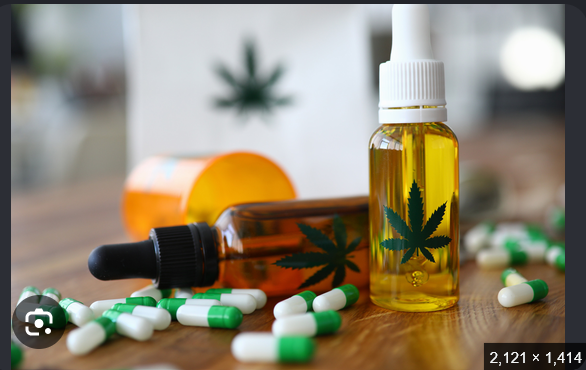
Agriculture continues to evolve as farmers explore new crops, technologies and commercial opportunities. One plant receiving increasing attention is hemp, which is cultivated for various industrial and agricultural purposes. Hemp is also an important source of cannabidiol, commonly known as CBD.
Understanding Hemp Cultivation
Hemp belongs to the cannabis plant family and is cultivated in different regions around the world. Depending on the variety, hemp can be used to produce fibres, seeds, oils and other materials.
Certain varieties are also cultivated for their cannabinoid content, including CBD.
Successful hemp cultivation depends on suitable soil conditions, climate, water availability and responsible agricultural management.
Why Are Farmers Interested in Hemp?
Hemp offers several commercial applications beyond CBD extraction.
Its fibres can be used in textiles, paper and construction materials, while its seeds are processed for food and industrial purposes where permitted.
This variety of applications creates opportunities for agricultural businesses looking to diversify their production.
Technology in Hemp Farming
Modern agricultural technology is helping farmers improve crop management.
Some important developments include:
- Advanced irrigation systems.
- Soil monitoring technology.
- Improved agricultural machinery.
- Crop quality assessment.
- More efficient harvesting methods.
These developments can help improve resource management and agricultural productivity.
CBD Production and Agricultural Quality
The quality of hemp used for CBD production can influence the characteristics of the final extract.
Farmers and manufacturers must consider plant genetics, cultivation practices and harvesting conditions.
Appropriate testing also helps identify unwanted contaminants and establish cannabinoid content.
Challenges in Hemp Agriculture
Hemp farmers may face challenges involving changing regulations, market demand, processing facilities and agricultural investment.
CBD-related cultivation can also involve additional licensing and compliance requirements depending on the country.
Conclusion
Hemp agriculture offers opportunities across several industries, including textiles, construction and CBD manufacturing. With responsible farming practices, suitable technology and regulatory awareness, hemp may continue developing as an important commercial crop.
Article 27
Writing
CBD Packaging: Quality, Safety and Branding
Packaging plays an important role in the CBD industry. As cannabidiol products become more visible in consumer markets, manufacturers are paying greater attention to product presentation, safety information and packaging quality.
Good packaging does more than improve appearance. It also helps protect products and communicate important information to consumers.
Why Is CBD Packaging Important?
CBD products are available in different forms, including oils, capsules, creams and cosmetic formulations.
Each product category may require different packaging materials and storage conditions.
Appropriate packaging helps protect products from environmental factors such as light, moisture and contamination.
Common CBD Packaging Options
Manufacturers use several packaging formats depending on their products.
- Glass Bottles: Commonly used for CBD oils.
- Dropper Bottles: Designed for dispensing liquid formulations.
- Capsule Containers: Used for storing CBD capsules.
- Cosmetic Jars: Commonly used for creams and balms.
- Protective Boxes: Used for retail presentation and product information.
Packaging materials should be selected according to the product’s characteristics.
Product Labels and Consumer Information
Clear labelling is essential for consumer awareness.
CBD product labels may include information about ingredients, CBD concentration, manufacturer details, batch identification and relevant safety warnings.
Manufacturers should avoid unsupported health claims and ensure that labels meet applicable regulations.
Sustainable Packaging Developments
Environmental awareness has encouraged businesses to explore more sustainable packaging materials.
Some companies are considering recyclable containers, reduced packaging waste and materials with lower environmental impacts.
However, sustainability should not compromise product protection or regulatory requirements.
Branding and Consumer Confidence
Professional packaging can help businesses communicate their identity and product information.
Nevertheless, attractive branding cannot replace quality testing and transparent manufacturing practices.
Consumers should prioritise reliable product information rather than relying exclusively on packaging design.
The Future of CBD Packaging
The packaging industry may continue developing solutions that improve product protection, traceability and environmental performance.
Digital batch information and improved labelling systems could also help consumers access more detailed product information.
Conclusion
CBD packaging is an important part of product quality, safety and marketing. Manufacturers should combine suitable materials, accurate labelling and responsible branding to create trustworthy products and improve consumer confidence.
Leave a Reply