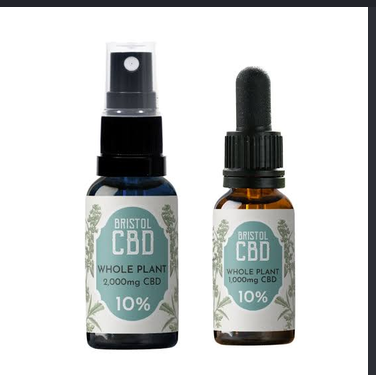
Cannabidiol, commonly known as CBD, has become an increasingly popular topic in the health and wellness industry. Extracted from the cannabis plant, CBD is a natural compound that is widely used in oils, creams, capsules, and other wellness products. Unlike THC, another well-known cannabis compound, CBD does not produce the typical intoxicating effects associated with cannabis.
What Is CBD?
CBD stands for cannabidiol, one of more than 100 naturally occurring compounds found in cannabis plants. It interacts with the body’s endocannabinoid system, which plays a role in regulating several important functions, including sleep, mood, appetite, and pain perception. Researchers continue to investigate how CBD works and what benefits it may offer.
Potential Benefits of CBD
One reason CBD has attracted attention is its potential role in supporting general well-being. Some people use CBD products to help manage everyday stress and improve relaxation. However, scientific evidence supporting these uses is still developing.
CBD has also received attention for its potential effects on sleep. Some users report that CBD helps them relax before bedtime, although research has not yet established that it is an effective treatment for insomnia.
Another important area of research involves pain and inflammation. Scientists are investigating whether CBD could help people experiencing certain types of discomfort. However, more high-quality clinical studies are needed before making reliable conclusions.
One medically established use of purified CBD is the treatment of certain rare forms of epilepsy. This demonstrates its medical potential, although prescription CBD medication is different from ordinary CBD wellness products.
Different Types of CBD Products
CBD is available in several forms, making it accessible to different consumers.
- CBD Oil: Usually taken orally or placed under the tongue.
- CBD Creams: Applied to the skin for targeted use.
- CBD Capsules: Provide a convenient and measured serving.
- CBD Gummies: Offer an easy-to-consume alternative.
Each product may differ in concentration, ingredients, quality, and absorption.
Is CBD Safe?
Although CBD is generally well tolerated by many people, it is not completely risk-free. Possible side effects include tiredness, diarrhoea, changes in appetite, and interactions with certain medications.
CBD may also affect liver enzymes responsible for processing medicines. Therefore, people taking prescription medication should consult a healthcare professional before using CBD.
Product quality is another important consideration. Some products may contain inaccurate CBD concentrations, unwanted contaminants, or traces of THC. Consumers should look for independent laboratory testing and transparent ingredient information.
Choosing the Right CBD Product
Before purchasing a CBD product, consumers should research the manufacturer, check the ingredients, and review independent laboratory reports. It is also important to understand local laws because CBD regulations differ between countries.
Avoid products that promise miracle cures or guarantee results. Responsible brands provide clear information without making unsupported medical claims.
Conclusion
CBD is an interesting natural compound with growing scientific and commercial attention. Research suggests potential medical applications, but many popular wellness claims still require stronger evidence. Understanding its benefits, limitations, safety considerations, and product quality can help consumers make informed decisions. As scientific knowledge develops, CBD may continue to play a role in discussions about modern health and wellness.
Leave a Reply